Don't Overlook These Summer Dangers in the Tri-Cities Hottest Season
Summer is the season most dog owners look forward to. More time outside, more adventures, more of everything.
But the Tri-Cities heat has a way of turning a good thing into a real problem fast, and some of the most common summer dangers are the ones that catch dog owners off guard.
This isn't about scaring you away from enjoying summer with your dog. It's about knowing what to watch for so you can keep going on all the walks, hikes, and backyard cookouts without ending up at the emergency vet.
If your dog survived the Fourth of July fireworks without too much drama, that's great! Now let's get through the rest of the summer.
Don't Overlook These Summer Dangers in the Tri-Cities Hottest Season
The Pavement Is Hotter Than You Think
Planning for Walks on Hot Days
Heatstroke Can Happen Faster Than You Expect
The Pavement Is Hotter Than You Think
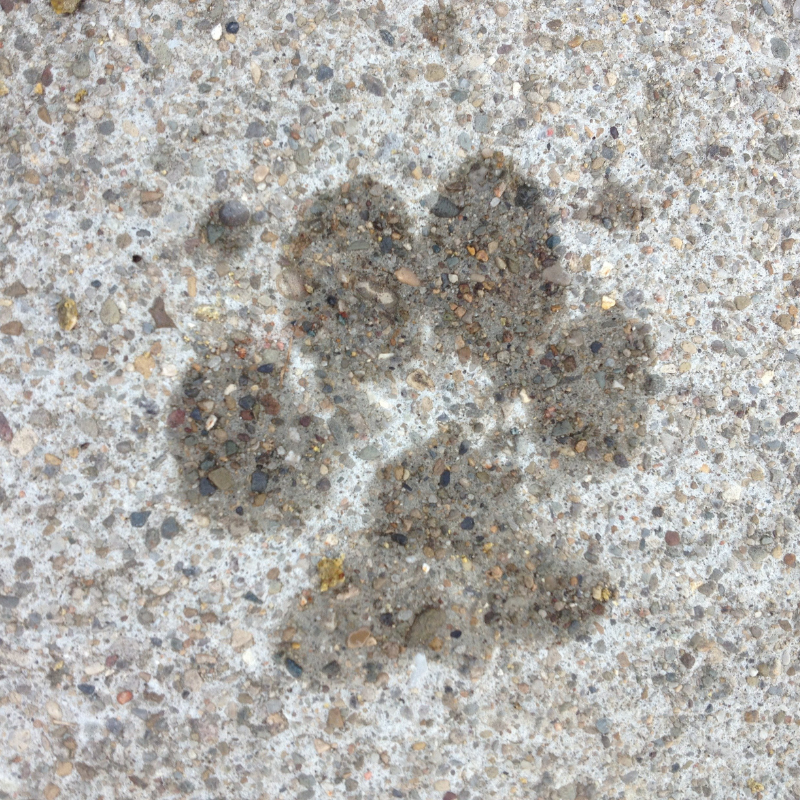
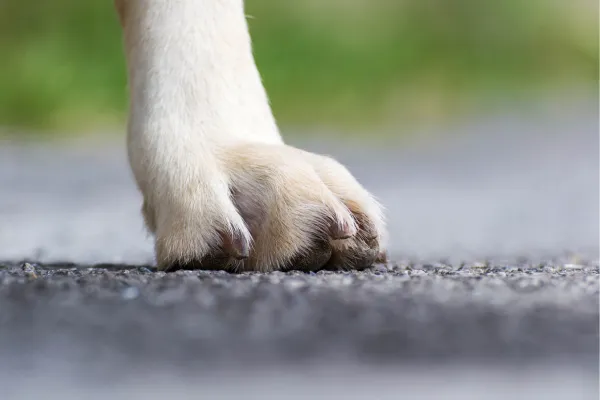
Most dog owners test the air temperature before a walk. Almost nobody tests the pavement. That's a problem.
On a 90-degree day, asphalt can reach 140 to 160 degrees.
That's hot enough to cause serious burns in under a minute.
Dogs will keep walking even as the damage is happening. By the time you notice your dog limping or obsessively licking their paws, the burn has already occurred.
Planning for Walks on Hot Days
There's a simple rule: press the back of your hand flat on the pavement and hold it there for 5 seconds. If you have to pull away, it's too hot for your dog.
Walk in the early morning before 9am or in the evening after 7pm when the pavement has had time to cool.
Stick to grass and shaded surfaces whenever possible.
Paw wax can offer a thin layer of protection for short trips, and booties work well if your dog will tolerate them.
Signs of Paw Pad Burns:
limping
excessive licking
pads that look darker or redder than normal
soft or blistered pad tissue.
If you see blistering or your dog won't put weight on a paw, it’s time to give your vet a call.
Heatstroke Can Happen Faster Than You Expect
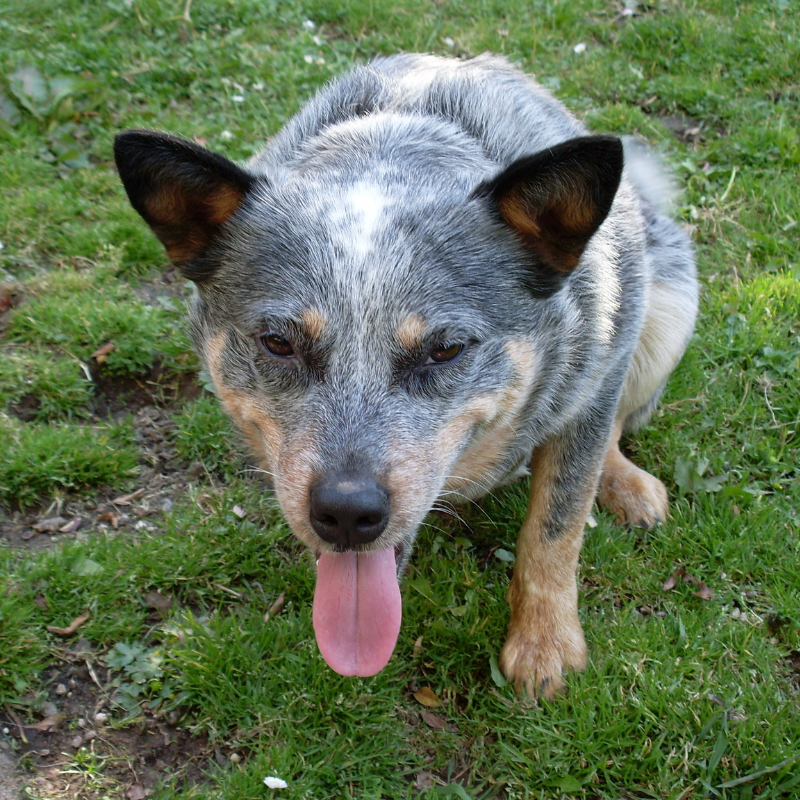
Dogs cool themselves by panting. It works, but not as efficiently as human sweating, and in high heat and humidity, it can fall behind quickly.
Heatstroke is a real emergency, and it can develop in minutes.
Each dog handles the heat differently so it also comes down to knowing your dog and how they tolerate hot conditions.
Activities to Avoid During the Summer
There are a few high risk situations that can frequently lead to overheating or heatstroke in dogs:
playing hard in the middle of the day
being left in a car even briefly
letting your flat-faced breed like a bulldog or pug (who already has compromised airflow) be active in extreme heat
letting a dog who doesn't know how to stop go until they’re tired
Early warning signs include heavy, desperate panting, drooling more than normal, stumbling or seeming disoriented, and glazed eyes.
If your dog collapses or loses consciousness, that's an emergency.
If you think your dog is overheating, here’s what you should do:
Move them to shade or air conditioning immediately.
Offer cool water, not ice cold.
Apply cool wet towels to the neck, armpits, and groin.
Get to a vet fast.
Do not try to manage heatstroke at home or wait it out.
The best prevention is simple: if it's too hot for you to comfortably run in, it's too hot for your dog to be working hard outside.
Cookout Foods Can Be a Hazard
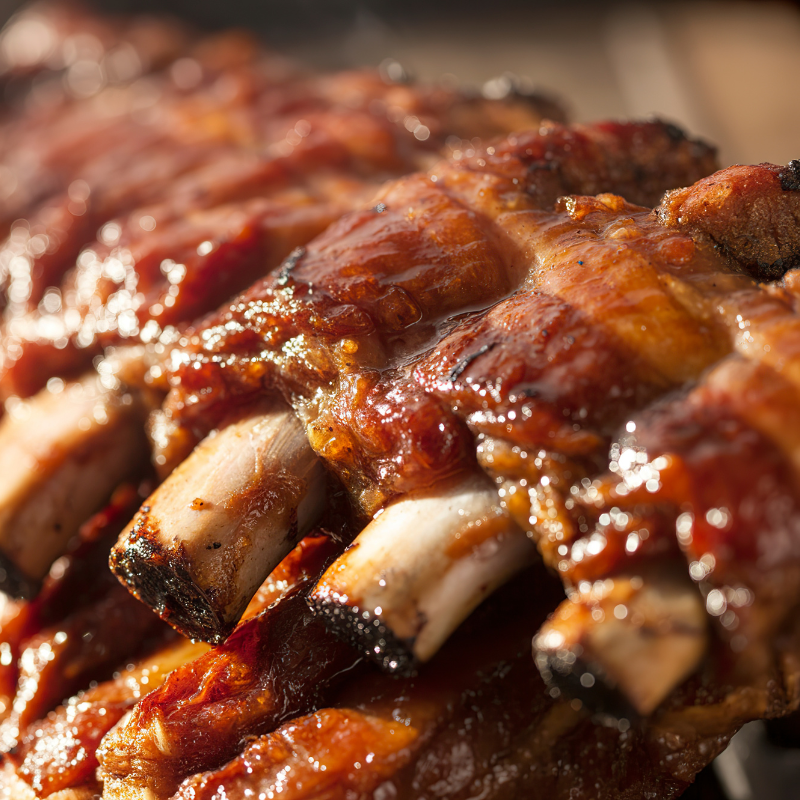
Backyard cookouts are one of the great summer traditions in the Tri-Cities, and dogs love them almost as much as people do.
The problem is that a lot of what ends up on the table can seriously hurt your dog.
Here are the problematic foods to make sure you’re aware of:
Corn on the cob: dogs will swallow in chunks that can cause a life-threatening intestinal blockage
Onions and garlic (in any form): damages red blood cells and can cause anemia
Grapes and raisins: can cause sudden kidney failure in some dogs even in small amounts
Xylitol/Birch Sugar (an artificial sweetener found in sugar-free condiments and some peanut butters): causes a dangerous blood sugar crash
Cooked bones: these can splinter and puncture the digestive tract
The trickiest part about cookouts is well-meaning guests who don't know the rules.
"Just a little bite" can become a real problem quickly.
A quick heads-up to guests before the party starts goes a long way.
For more on the feeding mistakes that affect dogs year-round, this post covers the most common ones.
Leaving Dogs in Hot Cars
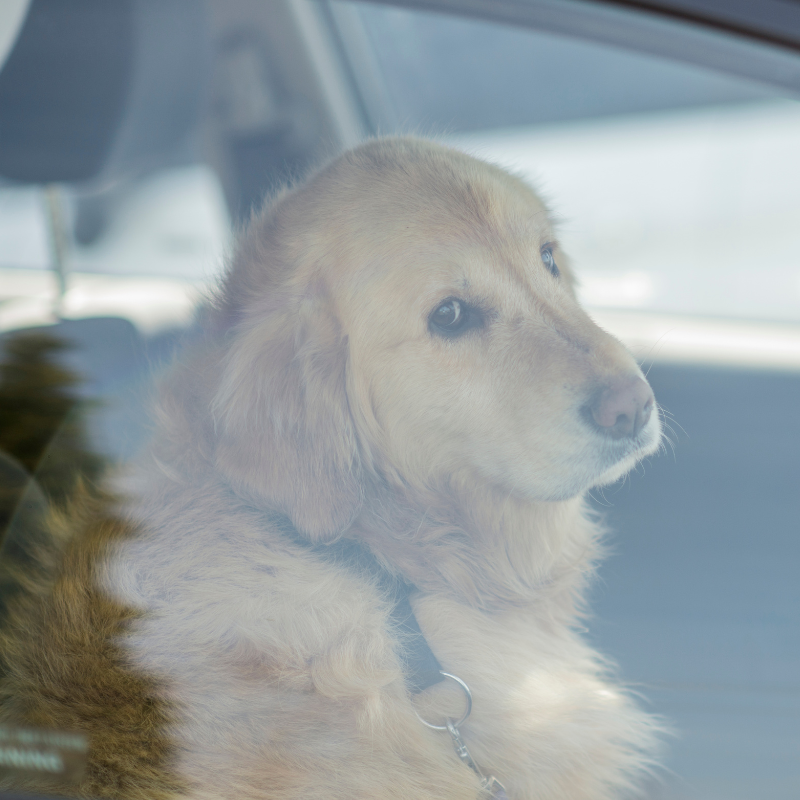
This one gets repeated every summer because, unfortunately, it still happens every summer.
A car parked in the sun on an 85-degree day can reach 120 degrees inside in under 30 minutes. Cracking the windows makes almost no difference.
The rule is simple: if your dog can't come inside with you, leave them home. There's no errand that's worth the risk.
Water Safety Matters Too
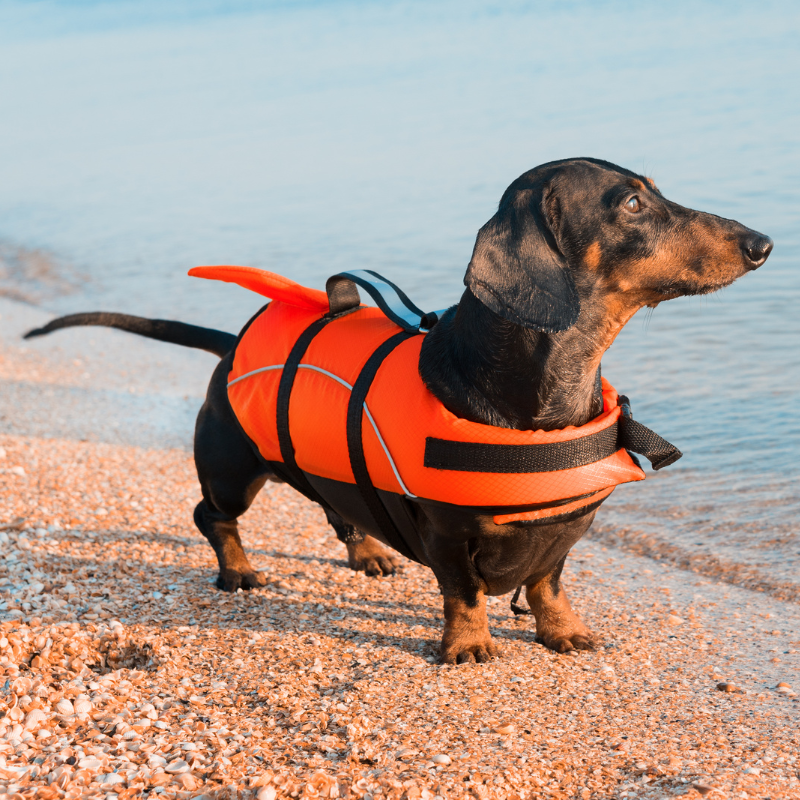
Lakes and rivers are a great summer activity for water-loving dogs, but there are a few things worth knowing before you go.
Blue-green algae blooms in warm, stagnant water and can produce toxins that are fatal to dogs.
It often looks like a green or blue-green scum on the surface of still water. If you see anything that looks like an algae bloom, keep your dog out of the water entirely.
Strong currents in rivers are more dangerous for dogs than most people realize, especially for smaller or older dogs.
And even strong swimmers can tire and panic. A dog life jacket is a smart investment if your dog spends time near moving water or deep swimming areas.
Always rinse your dog off after swimming in any natural body of water, and don't let them drink from lakes or rivers (if you can avoid it).
Summer Safety Takeaways
Do the 5-second hand test on the pavement before every afternoon walk
Shift walks to before 9am or after 7pm during peak summer heat
Brief your cookout guests: no feeding the dog, no exceptions
Never leave your dog in a parked car, even for a few minutes
Check for algae blooms before letting your dog swim in any lake or pond
A Note from the Barkery
Summer is long in the Tri-Cities, and we want your dog to enjoy every bit of it!
If you have questions about what your dog needs to stay healthy this season, whether that's food, supplements, or enrichment ideas for the really hot days, stop in and talk with us.
We're here to help you figure out what makes sense for your specific dog.
You can also browse our supplement options or stop by and see us!
We love meeting the dogs behind the questions.
And if you want to know which products we're actually recommending this summer, here's a look at what the research says about dog supplements so you can make a confident choice.