Is Your Dog's Gut Healthy? Signs to Watch and What to Do in Bristol, TN
You know your dog better than anyone. You know what their normal looks like.
So when something is off, even if you can't quite name it, you notice.
Maybe their coat has looked a little dull lately, despite the supplements you've been adding.
Maybe they've been scooting more than usual.
Maybe their digestion just hasn't felt right in a while.
The piece of the puzzle most owners are missing is the gut.
Dog owners in Bristol and across the Tri-Cities are increasingly asking us about gut health, and for good reason.
It turns out the gut is connected to almost everything: immune function, skin and coat quality, energy levels, and even mood.
Here's how to know if your dog's gut needs attention, and what to actually do about it.
Practical Takeaways
Consistent soft stools, itchy skin, grass eating, and low energy are all potential gut health signals
Highly processed food, antibiotics without follow-up, and lack of dietary variety are the most common gut disruptors
Spore-based probiotics are more effective than standard capsule probiotics for most dogs
Even small additions, like raw goat milk or kefir as a topper, can meaningfully support gut health
Most dogs show noticeable improvement within six to eight weeks of consistent changes
The Gut Health Signs Most Owners Miss
Before we cover the signs, what does poor gut health even really mean? What makes it poor?
It all comes down to how good your dog's gut is at absorbing nutrients. If their gut health isn't great, they can't effectively absorb the nutrients in their food.
Alternately, if their gut health is good, they can really leverage digestion and take advantage of the nutrients in their food.
And more nutrients = healthier.
But, gut health problems rarely announce themselves loudly. They tend to show up as a collection of small, easy-to-dismiss symptoms like these:
Chronic soft stools or irregular digestion. A healthy gut produces consistent, firm stools. If your dog swings between loose and normal, or you've just accepted soft stools as their baseline, the gut is telling you something.
Itchy skin and a dull coat. This is the one that surprises people most. About 70% of your dog's immune system lives in the gut. When the gut is inflamed or out of balance, it often shows up on the skin first.
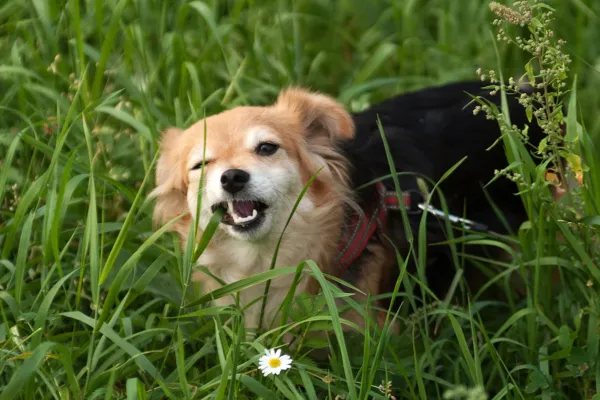
Grass eating and scooting. Dogs self-medicate. Eating grass is a sign the gut wants more fiber or needs relief from nausea. Scooting usually means the anal glands aren't emptying naturally, which is often a low-fiber, low-gut-health issue.
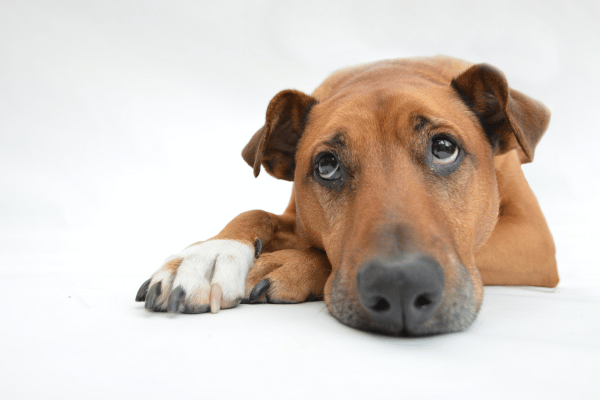
Low energy or inconsistent appetite. A gut that isn't absorbing nutrients well leaves your dog running on less than they should be, even if you're feeding a quality diet.
Gas and bloating. Some gas is normal. Frequent, significant gas is a sign that food is fermenting in the wrong part of the digestive system.
What Causes Gut Imbalance in Dogs
The gut microbiome is a living system. It responds to everything your dog eats, every medication they take, and even their stress levels.
The Most Common Gut Health Disruptors
Highly processed food. Most commercial kibble is cooked at very high temperatures, which destroys natural enzymes and reduces the diversity of nutrients reaching the gut.
Antibiotics without follow-up. Antibiotics save lives, and sometimes they're necessary. But they don't discriminate. They wipe out harmful bacteria and beneficial bacteria alike. Without intentional gut rebuilding afterward, the microbiome can stay disrupted for months.
No dietary variety. A gut that sees only one protein source year after year loses microbial diversity over time. Diversity is protective.
Chronic stress. The gut-brain connection is real in dogs. Anxiety, change, and chronic stress all affect gut motility and microbial balance (just like they do for us).
What You Can Do To Improve Dog Gut Health
The good news is that the gut is responsive. Most dogs show meaningful improvement within six to eight weeks of consistent changes.
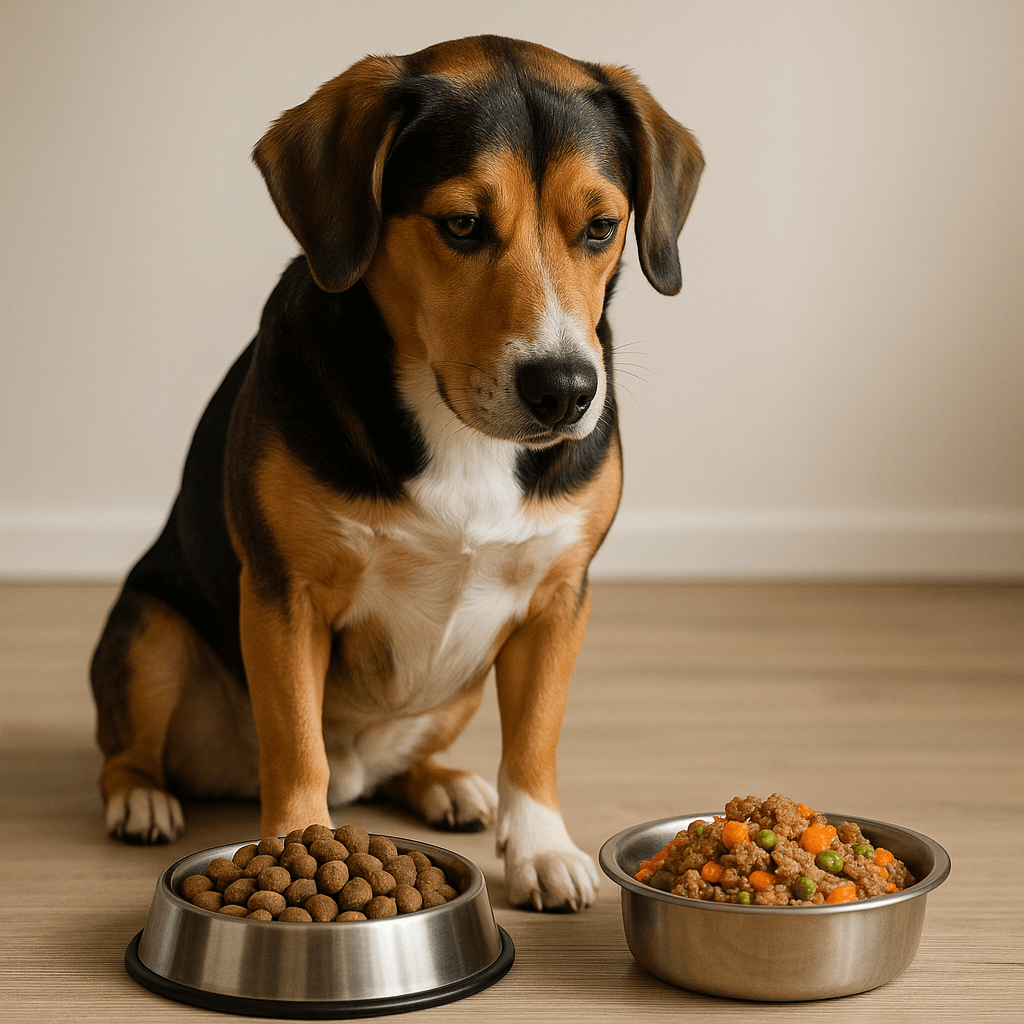
Upgrade the food first. This is the highest-leverage change you can make. Minimally processed food with whole, recognizable ingredients feeds the gut differently than heavily processed kibble. You don't have to go fully raw. Even adding a fresh food topper a few times a week shifts things.
Add a quality probiotic. Not all probiotics are created equal. Most capsule-based probiotics don't survive stomach acid well. Spore-based probiotics (mushroom-based), like Four Leaf Rover Protect, are specifically designed to reach the lower gut intact.
Consider a gut-supportive topper. Fermented foods like raw goat milk and kefir seed the gut with live beneficial bacteria. They're also high in moisture, which matters for digestion.
Watch for food-related triggers. Some dogs have genuine food sensitivities that drive ongoing gut inflammation. If you've tried the steps above and aren't seeing improvement, it may be worth exploring a limited-ingredient or novel-protein diet.
We're Here to Help at Black Dog Barkery
You don't have to figure this out alone. If your dog is dealing with any of the symptoms above and you're not sure where to start, come in and talk to us.
We'll look at what they're eating, ask the right questions, and point you toward the products that actually make a difference.
That's what we're here for.