Black Dog Blog
Your go-to source for holistic pet care tips.
Black Dog Blog
Welcome to the Black Dog Blog! Your go-to source for holistic pet care.
The Bristol Dog Owner's Spring Outdoor Guide: What to Pack, Watch For, and Feed
Spring hits different when you've got a dog.
The moment temps climb into the 60s, your pup starts giving you that look. You know the one.
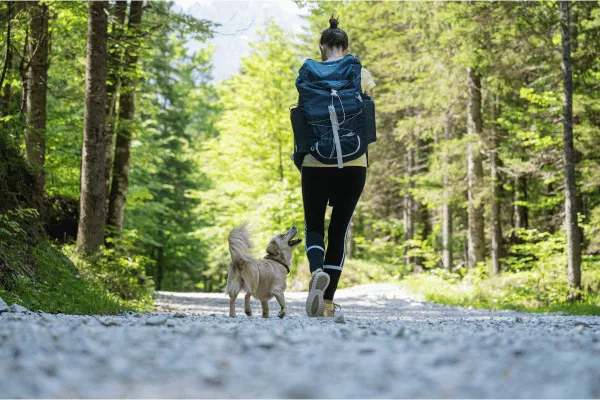
Ears up, tail going, nose pressed against the door. They're ready. But before you load up the car and head for the nearest trail, a little prep goes a long way.
Our region has no shortage of gorgeous outdoor spots, and Bristol dogs are lucky dogs. From greenways to mountain trails, there's a lot of ground to cover once spring opens things up.
The trick is making sure your adventure buddy stays safe, hydrated, and fueled for whatever you two get into.
This guide covers the essentials. Think of it as your spring checklist for everything from tick prevention to trail snacks.
The Bristol Dog Owner's Spring Outdoor Guide: What to Pack, Watch For, and Feed
Tick Season Is Already Here
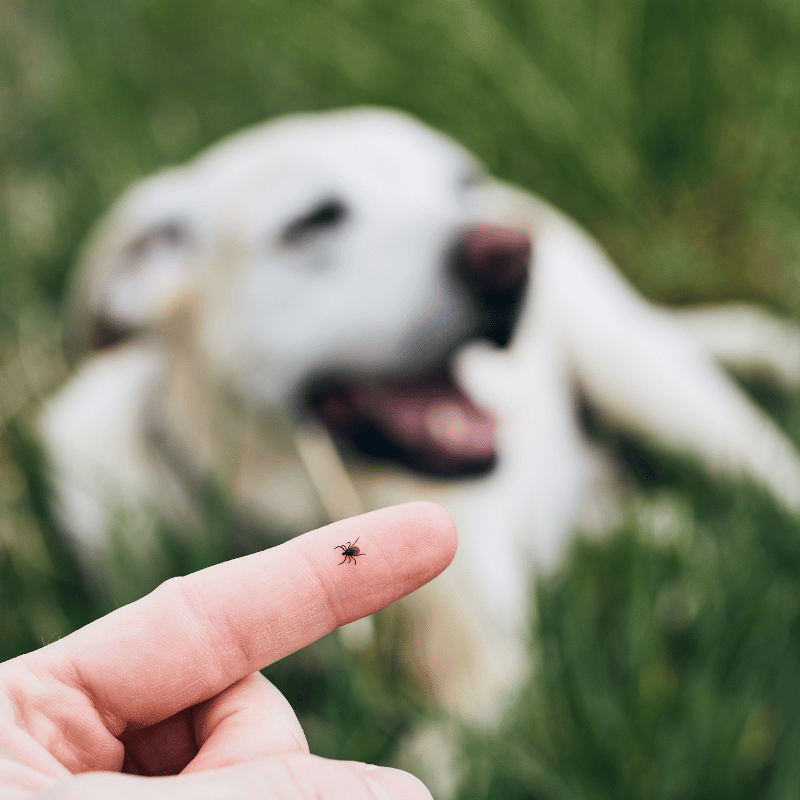
Unfortunately in our area ticks don't bother waiting for summer. They're active once temperatures stay above 40 degrees for a few days in a row. That means by mid-March, your dog is already at risk.
We're big fans of Wondercide as a natural, plant-based option for tick and flea prevention. It uses cedarwood oil as its active ingredient, and it works on contact without the harsh chemicals found in many conventional treatments. You can spray it directly on your dog's coat before a hike and reapply as needed. It's also safe to use around the house, yard, and on yourself before your ourdoor adventures.
After every outdoor trip, do a full tick check. Run your hands through your dog's fur slowly. Pay close attention to ears, armpits, the base of the tail, and between toes. Ticks love warm, hidden spots. If your dog is dealing with itchy, irritated skin after being outdoors, it could also be an environmental allergy worth looking into.
Hydration on the Go
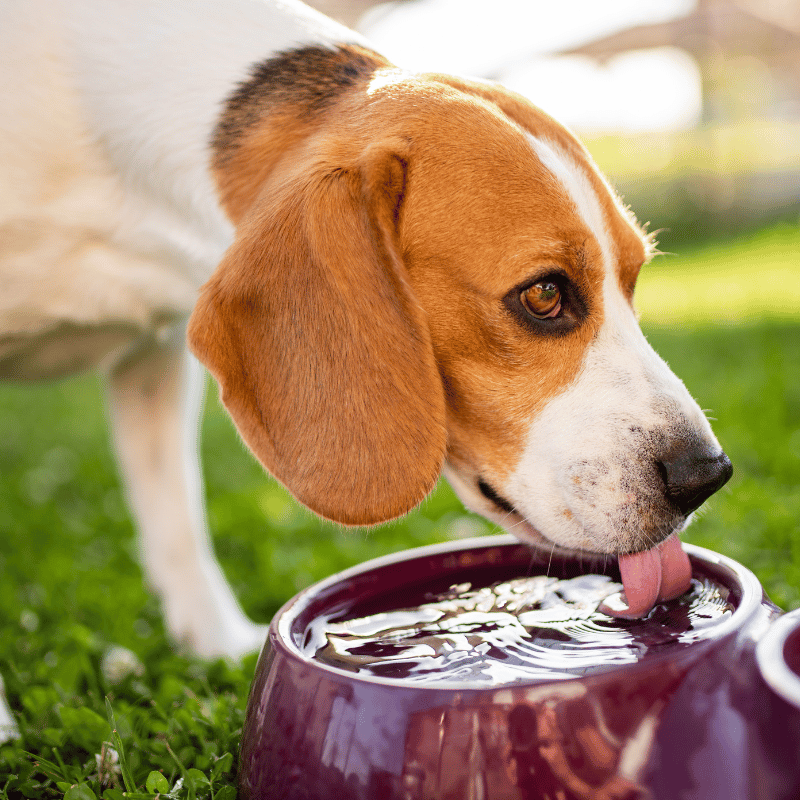
Dogs overheat faster than we do. They don't sweat the way humans do, so panting is their main cooling system. On a warm spring day, that system gets pushed hard during exercise.
Pack more water than you think you'll need. A collapsible silicone bowl works great and weighs almost nothing. Offer water every 15 to 20 minutes during active movement, not just when your dog seems thirsty.
By the time they're panting heavily, they're already behind on hydration.
Watch for signs of overheating:
Excessive drooling
Glazed eyes
Stumbling
Bright red tongue
If you see any of these, stop immediately, find shade, and offer small sips of cool water. Not ice cold. Just cool. Dumping cold water on an overheated dog can actually cause shock.
A good rule of thumb: if it feels warm to you, it feels warmer to them.
Rocky Trails and Paw Pad Care
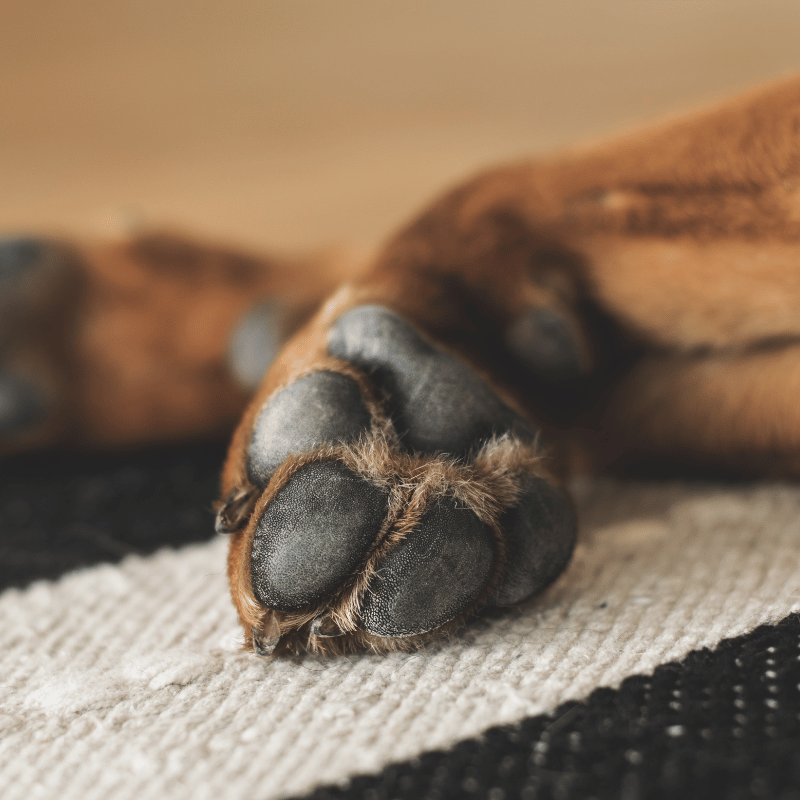
Our Appalachian terrain is beautiful, but… it's also rocky and rough.
Paw pads take a beating on gravel paths, exposed roots, and rocky creek beds. Most dogs won't show pain until the damage is done, so an ounce of prevention matters more than a pound of treatment here.
Before a hike, apply a natural paw balm or wax to create a protective barrier. After the hike, check each paw carefully. Look for cracks, cuts, or raw spots between the toes. Rinse off any debris and apply balm again to help them heal.
If your dog is new to trail hiking, build up gradually. Short hikes first. Paw pads toughen over time, but pushing too hard too fast leads to soreness and potential infection.
Keeping your dog's nails trimmed also helps. Long nails change how a dog distributes weight, which creates more stress on pads and joints. Our friends at some of the best groomers in the area can help with that.
Joint Support for Active Dogs
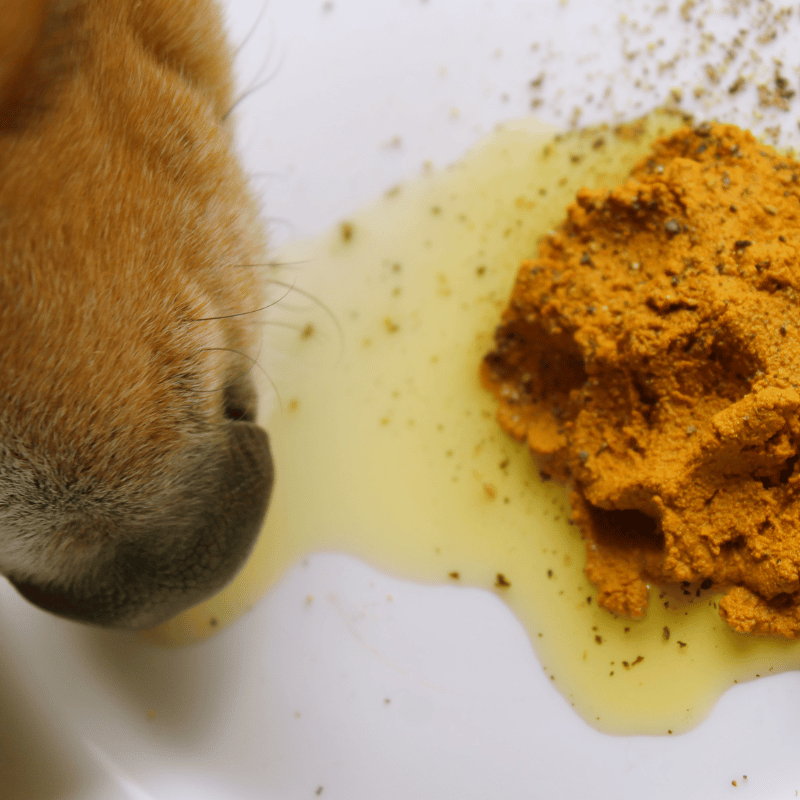
Spring enthusiasm is wonderful, but it can expose joint issues that stayed hidden during lazy winter months. A dog who suddenly goes from couch mode to five-mile hikes might be a dog asking for trouble.
Older dogs and large breeds especially benefit from joint support supplements. Look for ingredients like glucosamine, chondroitin, green-lipped mussel, and omega-3 fatty acids.
Brands like Super Snouts offer solid options that we carry in the shop. If you're curious about whether dog supplements actually make a difference, we've written about that in detail (spoiler, they do! But only if you choose quality supplements).
For dogs with existing arthritis or stiffness, gentle exercise is still important. The key is consistency over intensity. Regular shorter walks do more good than occasional long adventures. Warm up with a slow walk before hitting any real elevation, and let your dog set the pace on the way back.
Fuel That Matches the Effort
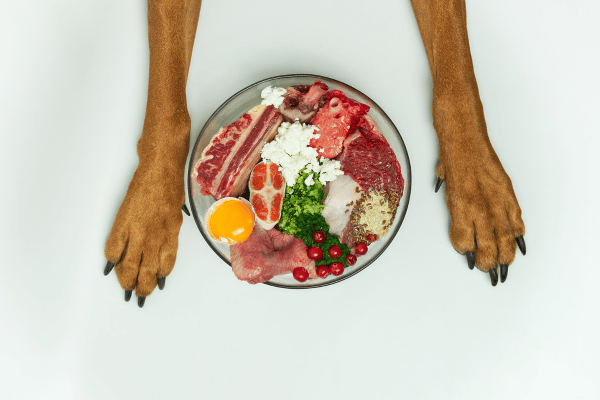
An active dog burns more calories. Simple as that. But the answer isn't just more food. It's quality food, and the right additions on top.
Food toppers are a great way to boost nutrition without overhauling your dog's whole diet.
Green Juju is one of our favorites. It's a raw, whole-food topper packed with leafy greens and bone broth along with other nutrient-dense ingredients. It supports digestion, hydration, and overall energy.
Bone broth on its own is another easy win. It adds moisture, supports joints, and most dogs go absolutely bonkers for the taste.
If your dog is putting in real work on the trails, consider rotating proteins to give them a broader nutrient profile. Variety keeps meals interesting and covers more nutritional bases.
For the couch-to-trail crowd, be careful not to overfeed. Extra weight puts extra strain on joints and makes overheating more likely. It's a balance, and getting it right makes all the difference.
Your Spring Trail Checklist
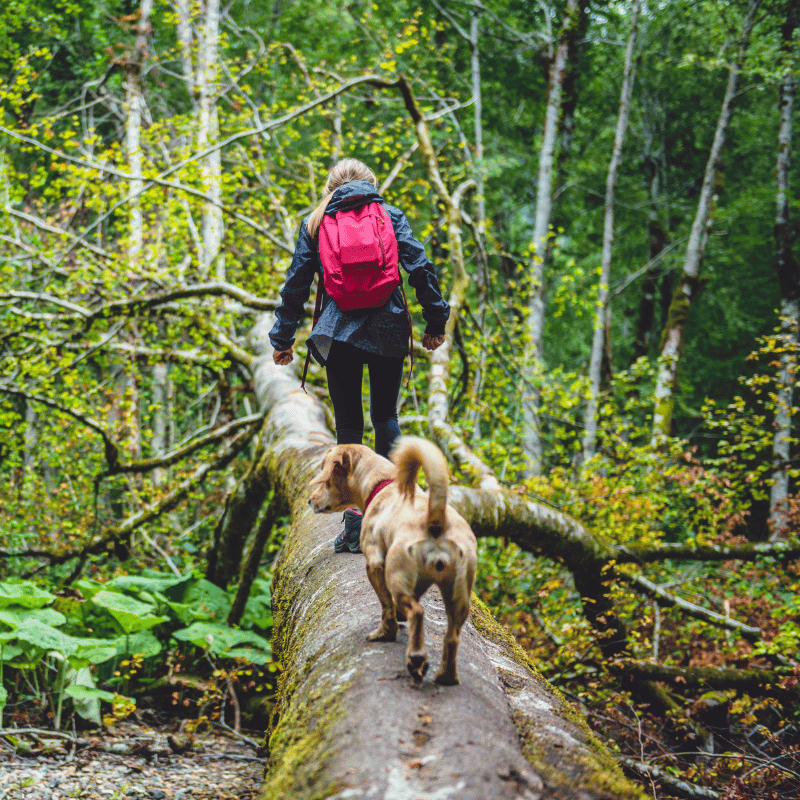
Spring is short, and your dog doesn't care about your to-do list. They just want to be outside with you.
A little preparation turns a good day into a great one, and it keeps your adventure partner healthy for many more seasons of exploring together.
Here are some things to keep in mind before you leave:
Pack a collapsible bowl and more water than you think you need. Offer it every 15 to 20 minutes.
Apply Wondercide or a natural tick repellent before every outing. Do a full tick check when you get home.
Protect paw pads with balm before hikes and inspect them after. Build mileage gradually.
Start a joint supplement now, before problems show up. Green-lipped mussel and omega-3s are great starting points.
Match your dog's food and toppers to their activity level. More movement means more nutritional support, not just bigger portions.
Get Out In The Wilds of NETN/SWVA
If you want help picking out the right supplements, toppers, or tick prevention for your dog's spring routine, we'd love to talk it through. Stop by the shop and we'll get your pup set up for the season.
Now go enjoy it. Your dog's already waiting by the door.
The Bristol Dog Owner's Spring Outdoor Guide: What to Pack, Watch For, and Feed
Spring hits different when you've got a dog.
The moment temps climb into the 60s, your pup starts giving you that look. You know the one.
Ears up, tail going, nose pressed against the door. They're ready. But before you load up the car and head for the nearest trail, a little prep goes a long way.
Our region has no shortage of gorgeous outdoor spots, and Bristol dogs are lucky dogs. From greenways to mountain trails, there's a lot of ground to cover once spring opens things up.
The trick is making sure your adventure buddy stays safe, hydrated, and fueled for whatever you two get into.
This guide covers the essentials. Think of it as your spring checklist for everything from tick prevention to trail snacks.
The Bristol Dog Owner's Spring Outdoor Guide: What to Pack, Watch For, and Feed
Tick Season Is Already Here
Unfortunately in our area ticks don't bother waiting for summer. They're active once temperatures stay above 40 degrees for a few days in a row. That means by mid-March, your dog is already at risk.
We're big fans of Wondercide as a natural, plant-based option for tick and flea prevention. It uses cedarwood oil as its active ingredient, and it works on contact without the harsh chemicals found in many conventional treatments. You can spray it directly on your dog's coat before a hike and reapply as needed. It's also safe to use around the house, yard, and on yourself before your ourdoor adventures.
After every outdoor trip, do a full tick check. Run your hands through your dog's fur slowly. Pay close attention to ears, armpits, the base of the tail, and between toes. Ticks love warm, hidden spots. If your dog is dealing with itchy, irritated skin after being outdoors, it could also be an environmental allergy worth looking into.
Hydration on the Go
Dogs overheat faster than we do. They don't sweat the way humans do, so panting is their main cooling system. On a warm spring day, that system gets pushed hard during exercise.
Pack more water than you think you'll need. A collapsible silicone bowl works great and weighs almost nothing. Offer water every 15 to 20 minutes during active movement, not just when your dog seems thirsty.
By the time they're panting heavily, they're already behind on hydration.
Watch for signs of overheating:
Excessive drooling
Glazed eyes
Stumbling
Bright red tongue
If you see any of these, stop immediately, find shade, and offer small sips of cool water. Not ice cold. Just cool. Dumping cold water on an overheated dog can actually cause shock.
A good rule of thumb: if it feels warm to you, it feels warmer to them.
Rocky Trails and Paw Pad Care
Our Appalachian terrain is beautiful, but… it's also rocky and rough.
Paw pads take a beating on gravel paths, exposed roots, and rocky creek beds. Most dogs won't show pain until the damage is done, so an ounce of prevention matters more than a pound of treatment here.
Before a hike, apply a natural paw balm or wax to create a protective barrier. After the hike, check each paw carefully. Look for cracks, cuts, or raw spots between the toes. Rinse off any debris and apply balm again to help them heal.
If your dog is new to trail hiking, build up gradually. Short hikes first. Paw pads toughen over time, but pushing too hard too fast leads to soreness and potential infection.
Keeping your dog's nails trimmed also helps. Long nails change how a dog distributes weight, which creates more stress on pads and joints. Our friends at some of the best groomers in the area can help with that.
Joint Support for Active Dogs
Spring enthusiasm is wonderful, but it can expose joint issues that stayed hidden during lazy winter months. A dog who suddenly goes from couch mode to five-mile hikes might be a dog asking for trouble.
Older dogs and large breeds especially benefit from joint support supplements. Look for ingredients like glucosamine, chondroitin, green-lipped mussel, and omega-3 fatty acids.
Brands like Super Snouts offer solid options that we carry in the shop. If you're curious about whether dog supplements actually make a difference, we've written about that in detail (spoiler, they do! But only if you choose quality supplements).
For dogs with existing arthritis or stiffness, gentle exercise is still important. The key is consistency over intensity. Regular shorter walks do more good than occasional long adventures. Warm up with a slow walk before hitting any real elevation, and let your dog set the pace on the way back.
Fuel That Matches the Effort
An active dog burns more calories. Simple as that. But the answer isn't just more food. It's quality food, and the right additions on top.
Food toppers are a great way to boost nutrition without overhauling your dog's whole diet.
Green Juju is one of our favorites. It's a raw, whole-food topper packed with leafy greens and bone broth along with other nutrient-dense ingredients. It supports digestion, hydration, and overall energy.
Bone broth on its own is another easy win. It adds moisture, supports joints, and most dogs go absolutely bonkers for the taste.
If your dog is putting in real work on the trails, consider rotating proteins to give them a broader nutrient profile. Variety keeps meals interesting and covers more nutritional bases.
For the couch-to-trail crowd, be careful not to overfeed. Extra weight puts extra strain on joints and makes overheating more likely. It's a balance, and getting it right makes all the difference.
Your Spring Trail Checklist
Spring is short, and your dog doesn't care about your to-do list. They just want to be outside with you.
A little preparation turns a good day into a great one, and it keeps your adventure partner healthy for many more seasons of exploring together.
Here are some things to keep in mind before you leave:
Pack a collapsible bowl and more water than you think you need. Offer it every 15 to 20 minutes.
Apply Wondercide or a natural tick repellent before every outing. Do a full tick check when you get home.
Protect paw pads with balm before hikes and inspect them after. Build mileage gradually.
Start a joint supplement now, before problems show up. Green-lipped mussel and omega-3s are great starting points.
Match your dog's food and toppers to their activity level. More movement means more nutritional support, not just bigger portions.
Get Out In The Wilds of NETN/SWVA
If you want help picking out the right supplements, toppers, or tick prevention for your dog's spring routine, we'd love to talk it through. Stop by the shop and we'll get your pup set up for the season.
Now go enjoy it. Your dog's already waiting by the door.

Copyright Black Dog Barkery 2026 | Terms | Privacy Policy
Website built by Passive Profits Group
Get In Touch
Store Hours:
Wednesday - 11:00 AM - 6:00 PM
Thursday - 11:00 AM - 6:00 PM
Friday - 11:00 AM - 6:00 PM
Saturday - 10:00 AM - 3:00 PM
Sunday - Tuesday - CLOSED

Copyright Black Dog Barkery 2026 | Terms | Privacy Policy