
Black Dog Blog
Your go-to source for holistic pet care tips.
Black Dog Blog
Welcome to the Black Dog Blog! Your go-to source for holistic pet care.

Separation Anxiety in Dogs: What Back-to-School Season Triggers and How to Help
Every August, the same thing happens in houses all over the Tri-Cities.
Kids who spent the whole summer underfoot suddenly disappear out the door by 7:30 every morning, and the dog who got used to constant company is left standing in a much quieter house.
It happens so fast that a lot of dog owners do not connect the dots between the new school year and the sudden change in their dog's behavior.
But dogs notice schedule changes far more than we give them credit for. A dog who spent June and July with kids around all day, playing, snacking, and generally filling up empty hours, can genuinely struggle when that company disappears in a single week.
So frequently, what looks like a behavior problem is often just a dog trying to cope with a routine that literally changed overnight.
The good news is that separation anxiety triggered by back-to-school season is manageable. It just takes recognizing what’s actually going on and giving your dog the right tools to adjust.
Separation Anxiety in Dogs: What Back-to-School Season Triggers and How to Help
Why the Schedule Change Hits Dogs So Hard
Calming Support That Actually Helps
Why the Schedule Change Hits Dogs So Hard
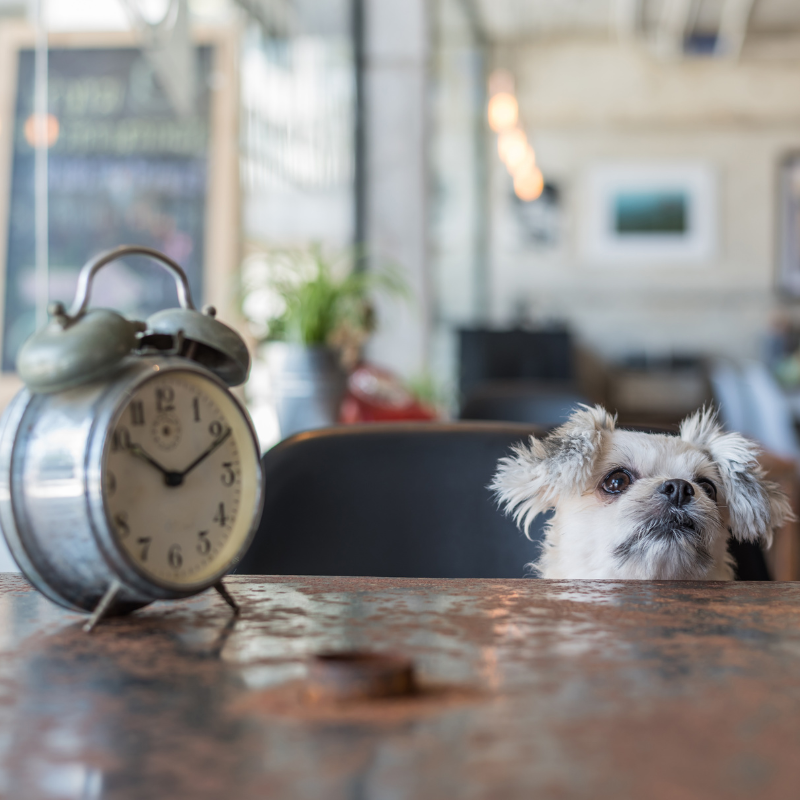
Dogs are creatures of routine, and summer builds a routine of its own. More people home, more activity, more attention throughout the day.
When that pattern breaks all at once, a dog doesn’t understand that it’s temporary or seasonal. All they know is the house that used to be full is now empty for long stretches, and nobody explained why.
This is not a training failure or a sign of a spoiled dog. It is a genuine adjustment period, similar to how a dog might struggle after a move or a change in a family's work schedule.
Recognizing that helps take some of the guilt out of it for owners who feel like they are doing something wrong when their dog starts acting differently in August.
The Signs Worth Watching For
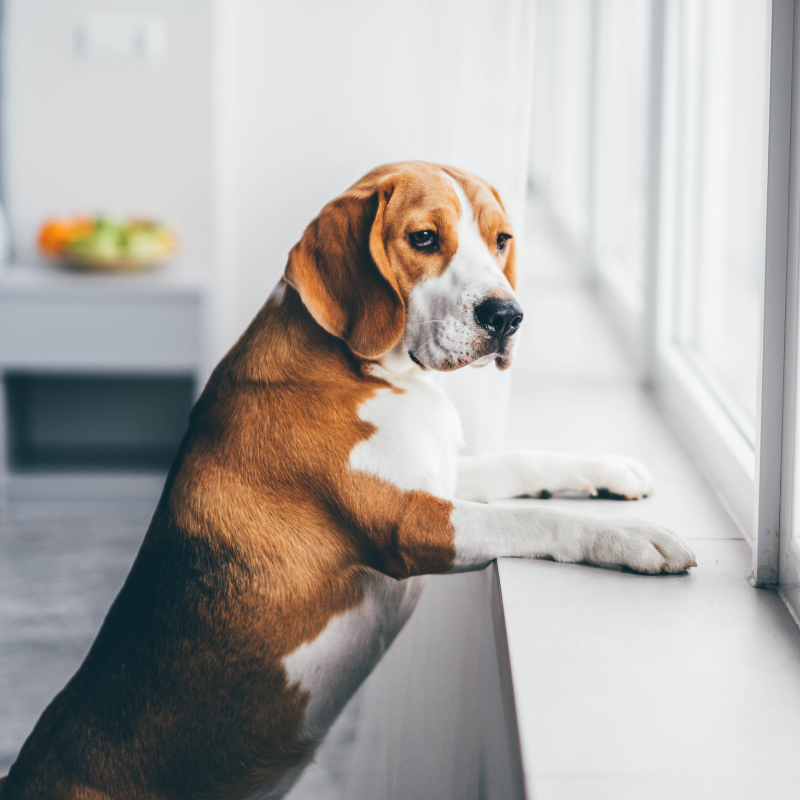
Separation anxiety doesn’t always look dramatic, sometimes it can be sneaky. A few of the most common signs are easy to miss or easy to blame on something else entirely.
These are some things to look our for:
Restlessness right before you leave
Excessive drooling or panting once you’re gone
Barking or howling that neighbors mention
Chewing on doors, furniture, or window sills
Accidents from a dog who is normally fully house trained
Some dogs also greet you at the door with an intensity that feels more like relief than excitement, which is worth paying attention to.
None of these signs mean something is wrong with your dog. They mean your dog needs a little extra support while they adjust to the new normal.
Calming Support That Actually Helps
For dogs who are genuinely struggling, a natural calming supplement can take the edge off without sedating them completely.
We carry Super Snouts hemp support at the Barkery, and it’s one of the products we recommend most often for dogs dealing with this kind of seasonal stress.
It will not undo months of separation anxiety by itself, but it gives an anxious dog a little more room to settle instead of spiraling every time the door closes.
If you want a deeper look at which supplements are actually worth trying and which ones are mostly marketing, we broke it down here.
Give Their Brain Something to Do
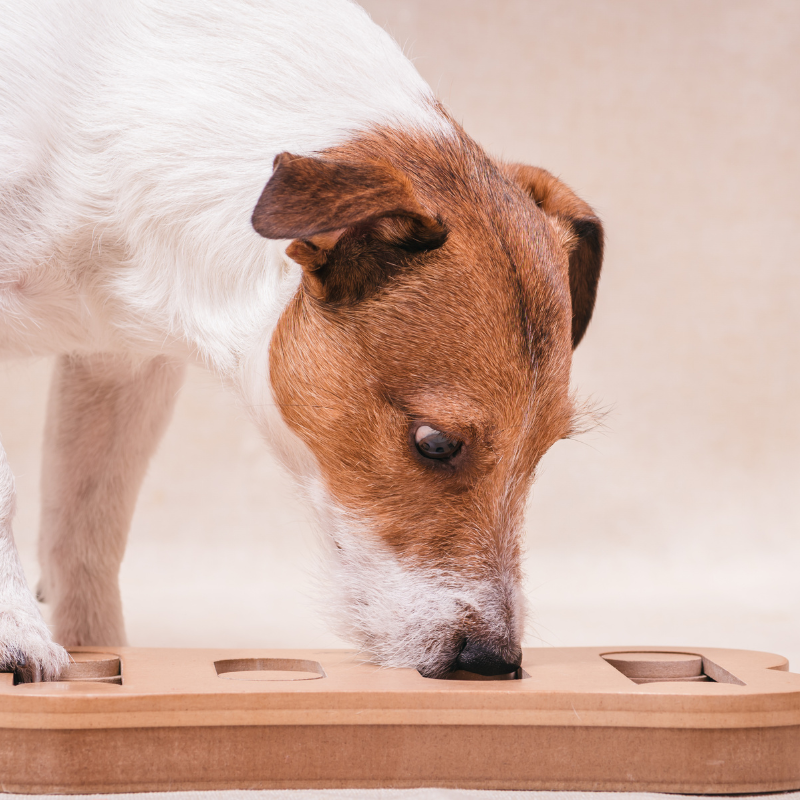
For a dog, a tired brain is a calm brain, and mental work tires a dog out just as effectively as a long walk, sometimes more.
Puzzle feeders like the ones from Outward Hound or West Paw turn a boring stretch of alone time into a job for your dog to focus on instead of the empty house around them.
Fill one with part of their normal meal before you leave and the first twenty minutes alone become something to look forward to instead of something to dread.
This is the same principle behind keeping a senior dog mentally engaged: a busy brain has less room left over for anxiety, no matter how old the dog is.
Easing the Transition Day by Day
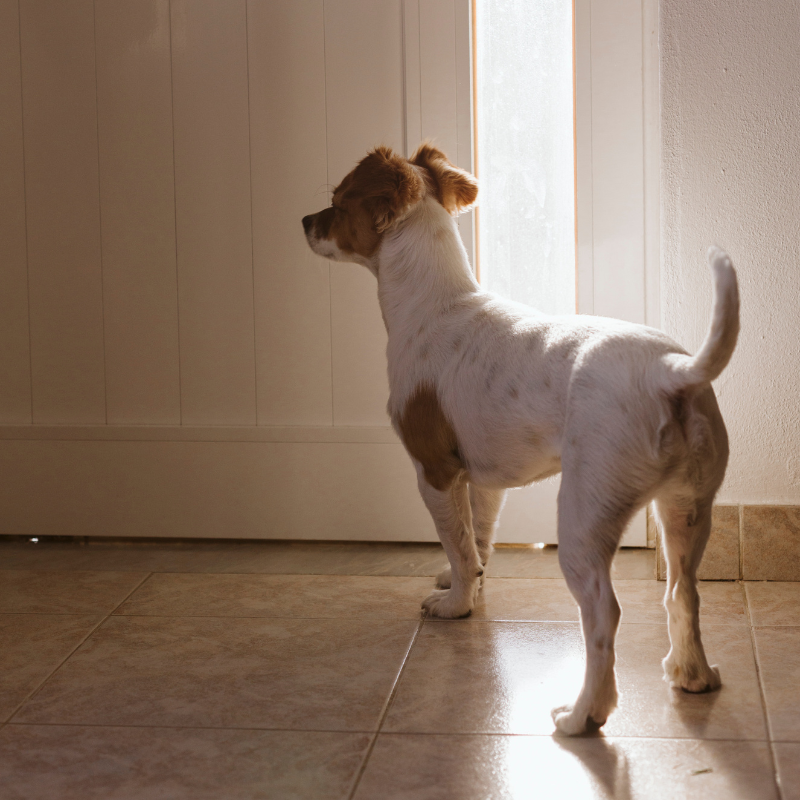
If your dog's separation anxiety is new or mild, small daily practice can make a real difference.
Start with short periods away from them, just stepping outside for a minute and coming back in, so your dog relearns that you always return. Keep your exits and entrances low key. Big emotional goodbyes and excited hellos actually reinforce the idea that your leaving is a big deal.
If you have dealt with anxiety around loud events before, a lot of the same calm departure and arrival techniques apply here too. The goal in both cases is the same: keep things low drama so your dog has less to react to.
How to Help a Dog with Separation Anxiety
Back-to-school season catches a lot of dogs off guard, but a little preparation goes a long way.
Watch for pacing, drooling, barking, chewing, or accidents that start right after school begins
Try a natural calming supplement for dogs who seem genuinely distressed, not just bored
Load a puzzle feeder before you leave so alone time comes with a job to focus on
Practice short, low key departures and arrivals to rebuild your dog's confidence that you will return
Give it a few weeks (most dogs adjust once the new routine settles in)
If your dog is struggling more than you expected this month, stop by and talk with us. We can help you figure out which calming products or enrichment tools make sense for your specific dog, not just a general recommendation off a shelf.
You can also reach out here if you’d rather ask us a few questions first.

Separation Anxiety in Dogs: What Back-to-School Season Triggers and How to Help
Every August, the same thing happens in houses all over the Tri-Cities.
Kids who spent the whole summer underfoot suddenly disappear out the door by 7:30 every morning, and the dog who got used to constant company is left standing in a much quieter house.
It happens so fast that a lot of dog owners do not connect the dots between the new school year and the sudden change in their dog's behavior.
But dogs notice schedule changes far more than we give them credit for. A dog who spent June and July with kids around all day, playing, snacking, and generally filling up empty hours, can genuinely struggle when that company disappears in a single week.
So frequently, what looks like a behavior problem is often just a dog trying to cope with a routine that literally changed overnight.
The good news is that separation anxiety triggered by back-to-school season is manageable. It just takes recognizing what’s actually going on and giving your dog the right tools to adjust.
Separation Anxiety in Dogs: What Back-to-School Season Triggers and How to Help
Why the Schedule Change Hits Dogs So Hard
Calming Support That Actually Helps
Why the Schedule Change Hits Dogs So Hard
Dogs are creatures of routine, and summer builds a routine of its own. More people home, more activity, more attention throughout the day.
When that pattern breaks all at once, a dog doesn’t understand that it’s temporary or seasonal. All they know is the house that used to be full is now empty for long stretches, and nobody explained why.
This is not a training failure or a sign of a spoiled dog. It is a genuine adjustment period, similar to how a dog might struggle after a move or a change in a family's work schedule.
Recognizing that helps take some of the guilt out of it for owners who feel like they are doing something wrong when their dog starts acting differently in August.
The Signs Worth Watching For
Separation anxiety doesn’t always look dramatic, sometimes it can be sneaky. A few of the most common signs are easy to miss or easy to blame on something else entirely.
These are some things to look our for:
Restlessness right before you leave
Excessive drooling or panting once you’re gone
Barking or howling that neighbors mention
Chewing on doors, furniture, or window sills
Accidents from a dog who is normally fully house trained
Some dogs also greet you at the door with an intensity that feels more like relief than excitement, which is worth paying attention to.
None of these signs mean something is wrong with your dog. They mean your dog needs a little extra support while they adjust to the new normal.
Calming Support That Actually Helps
For dogs who are genuinely struggling, a natural calming supplement can take the edge off without sedating them completely.
We carry Super Snouts hemp support at the Barkery, and it’s one of the products we recommend most often for dogs dealing with this kind of seasonal stress.
It will not undo months of separation anxiety by itself, but it gives an anxious dog a little more room to settle instead of spiraling every time the door closes.
If you want a deeper look at which supplements are actually worth trying and which ones are mostly marketing, we broke it down here.
Give Their Brain Something to Do
For a dog, a tired brain is a calm brain, and mental work tires a dog out just as effectively as a long walk, sometimes more.
Puzzle feeders like the ones from Outward Hound or West Paw turn a boring stretch of alone time into a job for your dog to focus on instead of the empty house around them.
Fill one with part of their normal meal before you leave and the first twenty minutes alone become something to look forward to instead of something to dread.
This is the same principle behind keeping a senior dog mentally engaged: a busy brain has less room left over for anxiety, no matter how old the dog is.
Easing the Transition Day by Day
If your dog's separation anxiety is new or mild, small daily practice can make a real difference.
Start with short periods away from them, just stepping outside for a minute and coming back in, so your dog relearns that you always return. Keep your exits and entrances low key. Big emotional goodbyes and excited hellos actually reinforce the idea that your leaving is a big deal.
If you have dealt with anxiety around loud events before, a lot of the same calm departure and arrival techniques apply here too. The goal in both cases is the same: keep things low drama so your dog has less to react to.
How to Help a Dog with Separation Anxiety
Back-to-school season catches a lot of dogs off guard, but a little preparation goes a long way.
Watch for pacing, drooling, barking, chewing, or accidents that start right after school begins
Try a natural calming supplement for dogs who seem genuinely distressed, not just bored
Load a puzzle feeder before you leave so alone time comes with a job to focus on
Practice short, low key departures and arrivals to rebuild your dog's confidence that you will return
Give it a few weeks (most dogs adjust once the new routine settles in)
If your dog is struggling more than you expected this month, stop by and talk with us. We can help you figure out which calming products or enrichment tools make sense for your specific dog, not just a general recommendation off a shelf.
You can also reach out here if you’d rather ask us a few questions first.

Copyright Black Dog Barkery 2026 | Terms | Privacy Policy
Website built by Passive Profits Group
Get In Touch
Store Hours:
Wednesday - 11:00 AM - 6:00 PM
Thursday - 11:00 AM - 6:00 PM
Friday - 11:00 AM - 6:00 PM
Saturday - 10:00 AM - 3:00 PM
Sunday - Tuesday - CLOSED

Copyright Black Dog Barkery 2026 | Terms | Privacy Policy