
Black Dog Blog
Your go-to source for holistic pet care tips.
Black Dog Blog
Welcome to the Black Dog Blog! Your go-to source for holistic pet care.
Food Allergies vs. Environmental Allergies in Dogs: How to Tell the Difference
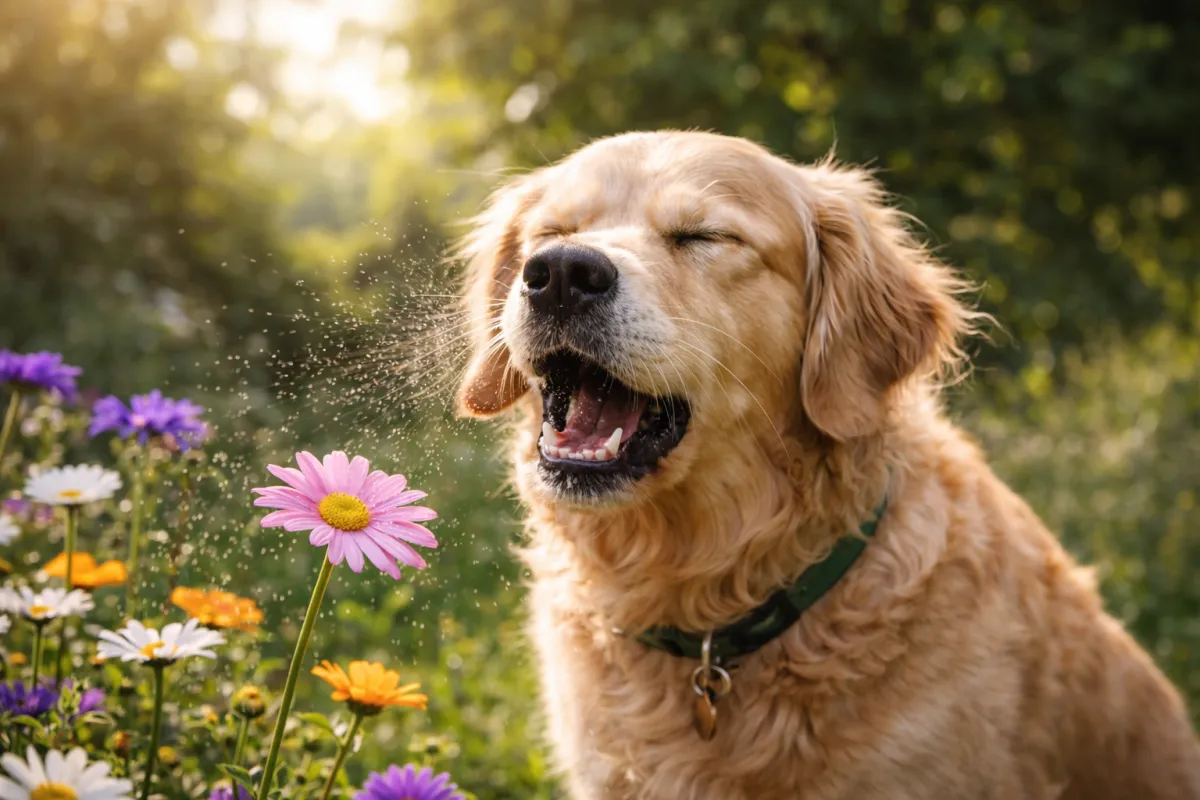
Spring is here. The flowers are blooming, the windows are open, and your dog has been scratching non-stop for three weeks.
Sound familiar?
Spring is prime allergy season for dogs. But here is the part that trips a lot of pet parents up: not all itching comes from the same place.
Some dogs are reacting to pollen.
Some are reacting to their food.
And some are dealing with both at the same time.
Knowing the difference matters. Because the fix for a food allergy looks very different from the fix for an environmental one.
In this guide we will walk you through the most common signs of each allergy type, how to figure out what your dog is reacting to, and what simple changes can help them feel better.
Food Allergies vs. Environmental Allergies in Dogs: How to Tell the Difference
What Is the Difference Between Food Allergies and Environmental Allergies?
Signs Your Dog Has Environmental Allergies
Signs Your Dog Has Food Allergies
Can Dogs Have Both at the Same Time?
How to Figure Out What Is Triggering Your Dog
What Can Help Your Itchy Dog This Spring
What Is the Difference Between Food Allergies and Environmental Allergies?
While these two types of allergies are different, they are both allergies so they do have some things in common:
Both types trigger the immune system.
Both can make your dog itchy, uncomfortable, and miserable.
But they come from completely different sources.
Food allergies happen when your dog's immune system treats a specific ingredient like a threat. The most common culprits are proteins, things like:
Chicken
Beef
Dairy
Wheat
Eggs
Environmental allergies happen when your dog reacts to things in the outside world.
Think pollen, grass, mold, dust mites, synthetic scents, and even certain cleaning products can all set them off.
Both are real. Both are frustrating. And both deserve attention.
Signs Your Dog Has Environmental Allergies
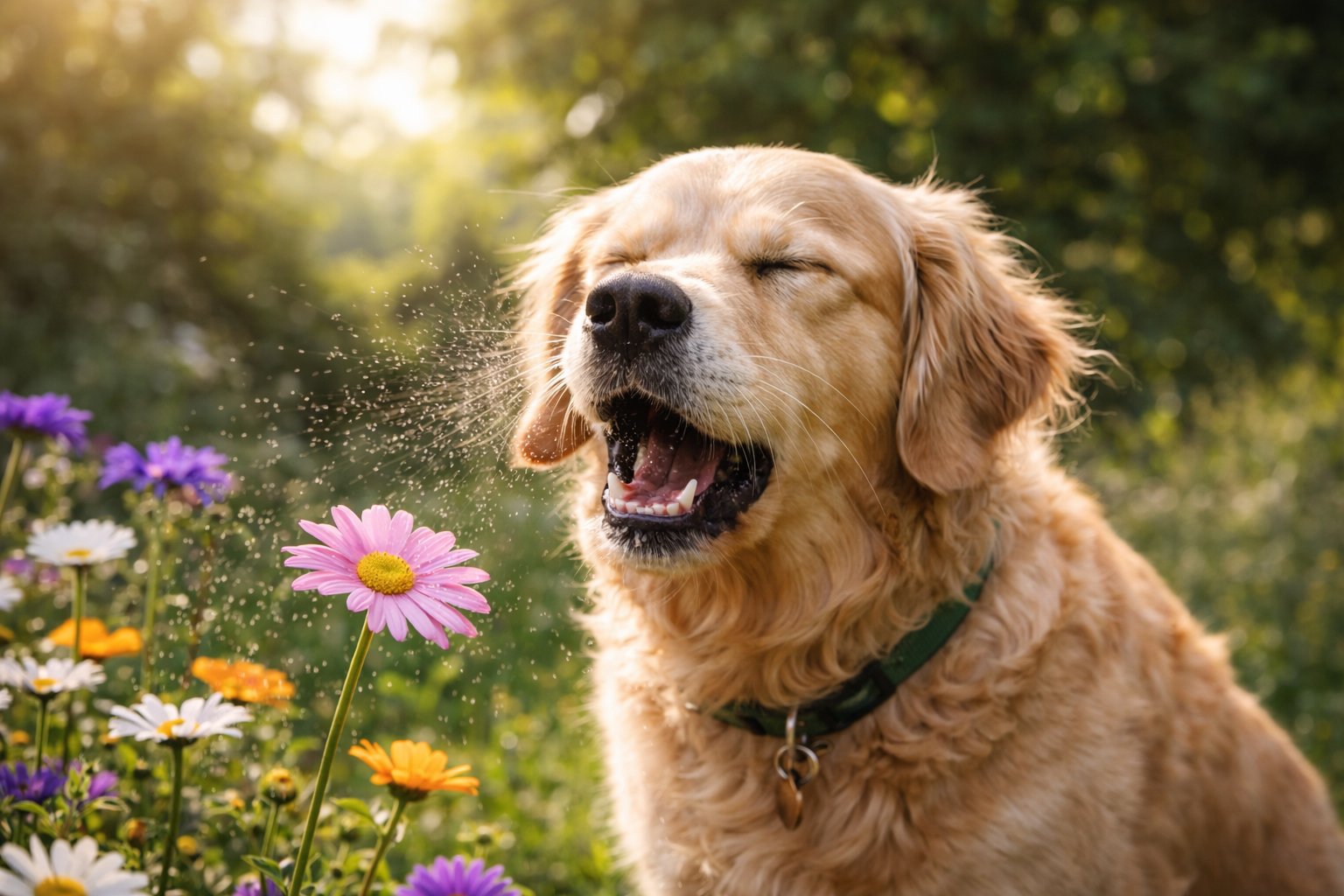
Environmental allergies tend to be seasonal. Your dog might be 100% fine in December and a scratchy, pitiful mess every spring. That pattern is a big clue.
Common signs include:
Itchy paws (lots of licking and chewing at the feet)
Watery or red eyes
Sneezing or a runny nose
Red or irritated skin, especially on the belly and armpits
Ear infections that seem to come back every season
Rubbing their face on the carpet or furniture
Here in the Tri-Cities, spring pollen can be intense. If your dog is spending more time outside and the itching gets worse after walks, that is a strong sign the environment is playing a role.
Signs Your Dog Has Food Allergies
Food allergies are trickier. They do not follow a season. If your dog is itchy year-round, that is often a sign food is involved.
Common signs include:
Chronic itching that does not improve in winter
Recurring ear infections or yeast infections
Digestive issues like loose stools, gas, or vomiting
Itchy skin around the face, belly, or rear end
Skin that stays red or irritated no matter the season
Many pet parents don’t realize that food allergies usually take months or even years to develop.
A dog can eat chicken every day for years and then one day start reacting to it.
This is why the problem can feel like it came out of nowhere (and why we recommend changing up your dog’s main protein regularly).
Can Dogs Have Both at the Same Time?
Yes, and this is more common than most people think.
Think of it like a bucket. Every allergen your dog is exposed to adds a little water. Food, pollen, dust, mold, all of it fills the bucket. When the bucket overflows, your dog starts showing symptoms.
This is why spring can push some dogs over the edge even if they have been managing okay all winter. The environmental load gets heavy and suddenly the food sensitivity they had all along starts showing up too.
How to Figure Out What Is Triggering Your Dog
This is the part every dog owner wants to skip to. And we get it.
For environmental allergies, the pattern usually tells you a lot. Seasonal symptoms that come and go with the weather are a strong indicator.
For food allergies, the gold standard is an elimination diet. You feed your dog one novel protein and one novel carb for 8 to 12 weeks, then slowly reintroduce ingredients to see what causes a reaction. It takes patience, but it works.
Another option we love at the Barkery is hair testing. We carry the 5Strands Bioresonance Test, which uses a small sample of your dog's hair or fur to screen for hundreds of potential intolerances, including food ingredients, environmental factors, and more.
It won’t replace a vet diagnosis, but it is a really helpful starting point to narrow down what might be going on before you overhaul your dog's entire diet.
A lot of local dog owners have used it to get a clearer picture of where to start. If you’re feeling overwhelmed and want a clue before diving into a 12-week elimination diet, this is a great first step.
We routinely help customers with this process whether they are trying to figure out what’s making their dog itchy, improving their dogs digestion, or working to prevent yeast infections.
What Can Help Your Itchy Dog This Spring

Once you have a better idea of what you’re working with, here’s the first place to start with allergy management.
For environmental allergies:
Wipe your dog's paws and belly after walks to remove pollen
Rinse them off after time outside during high pollen days
Keep their bedding clean and washed regularly
Consider an air purifier for the areas they sleep in
For food allergies:
Start rotating proteins regularly so your dog does not build a sensitivity to one ingredient over time
Look at your dog's treats too, not just their main food
Switch to a limited ingredient diet if the ingredient list feels overwhelming (we have several different brands and varieties for limited ingredient options)
Add moisture to meals to support gut health and digestion (kefir or bone broth are both great options)
If you suspect both food and environmental allergies:
Support the immune system from the inside out. We really like Four Leaf Rover Harmony for this.
It’s a blend of mushrooms and botanicals designed specifically to help calm overactive immune responses. A lot of dogs dealing with seasonal allergies see real improvement when their immune system gets some extra support.
It’s one of our most recommended supplements in the spring and fall when it itchies start showing up.
Getting Help With Your Dog's Allergies in Bristol, TN
Allergy season brings a lot of questions into the Barkery. We talk to local dog owners about itching, food sensitivities, and gut health pretty much every week.
If your dog has been scratching and you are not sure where to start, come see us. We can help you look at what your dog is eating, talk through the 5Strands testing kit, and point you toward products like Four Leaf Rover Harmony that might give them some real relief.
You don’t have to figure this out on your own. That’s what we’re here for!
Your Dog Deserves to Feel Good This Spring
Itching isn’t just annoying for your dog. It’s exhausting. Poor sleep, raw skin, recurring infections. It adds up.
The good news is that once you know what you are dealing with, you can make real progress. Start by paying attention to the pattern. Use a tool like the 5Strands test to get some direction. Support their immune system with something like Four Leaf Rover Harmony. And don’t be afraid to ask us for help.
We want every pup in the Tri-Cities to have a happy, itch-free spring.

Food Allergies vs. Environmental Allergies in Dogs: How to Tell the Difference
Spring is here. The flowers are blooming, the windows are open, and your dog has been scratching non-stop for three weeks.
Sound familiar?
Spring is prime allergy season for dogs. But here is the part that trips a lot of pet parents up: not all itching comes from the same place.
Some dogs are reacting to pollen.
Some are reacting to their food.
And some are dealing with both at the same time.
Knowing the difference matters. Because the fix for a food allergy looks very different from the fix for an environmental one.
In this guide we will walk you through the most common signs of each allergy type, how to figure out what your dog is reacting to, and what simple changes can help them feel better.
Food Allergies vs. Environmental Allergies in Dogs: How to Tell the Difference
What Is the Difference Between Food Allergies and Environmental Allergies?
Signs Your Dog Has Environmental Allergies
Signs Your Dog Has Food Allergies
Can Dogs Have Both at the Same Time?
How to Figure Out What Is Triggering Your Dog
What Can Help Your Itchy Dog This Spring
What Is the Difference Between Food Allergies and Environmental Allergies?
While these two types of allergies are different, they are both allergies so they do have some things in common:
Both types trigger the immune system.
Both can make your dog itchy, uncomfortable, and miserable.
But they come from completely different sources.
Food allergies happen when your dog's immune system treats a specific ingredient like a threat. The most common culprits are proteins, things like:
Chicken
Beef
Dairy
Wheat
Eggs
Environmental allergies happen when your dog reacts to things in the outside world.
Think pollen, grass, mold, dust mites, synthetic scents, and even certain cleaning products can all set them off.
Both are real. Both are frustrating. And both deserve attention.
Signs Your Dog Has Environmental Allergies
Environmental allergies tend to be seasonal. Your dog might be 100% fine in December and a scratchy, pitiful mess every spring. That pattern is a big clue.
Common signs include:
Itchy paws (lots of licking and chewing at the feet)
Watery or red eyes
Sneezing or a runny nose
Red or irritated skin, especially on the belly and armpits
Ear infections that seem to come back every season
Rubbing their face on the carpet or furniture
Here in the Tri-Cities, spring pollen can be intense. If your dog is spending more time outside and the itching gets worse after walks, that is a strong sign the environment is playing a role.
Signs Your Dog Has Food Allergies
Food allergies are trickier. They do not follow a season. If your dog is itchy year-round, that is often a sign food is involved.
Common signs include:
Chronic itching that does not improve in winter
Recurring ear infections or yeast infections
Digestive issues like loose stools, gas, or vomiting
Itchy skin around the face, belly, or rear end
Skin that stays red or irritated no matter the season
Many pet parents don’t realize that food allergies usually take months or even years to develop.
A dog can eat chicken every day for years and then one day start reacting to it.
This is why the problem can feel like it came out of nowhere (and why we recommend changing up your dog’s main protein regularly).
Can Dogs Have Both at the Same Time?
Yes, and this is more common than most people think.
Think of it like a bucket. Every allergen your dog is exposed to adds a little water. Food, pollen, dust, mold, all of it fills the bucket. When the bucket overflows, your dog starts showing symptoms.
This is why spring can push some dogs over the edge even if they have been managing okay all winter. The environmental load gets heavy and suddenly the food sensitivity they had all along starts showing up too.
How to Figure Out What Is Triggering Your Dog
This is the part every dog owner wants to skip to. And we get it.
For environmental allergies, the pattern usually tells you a lot. Seasonal symptoms that come and go with the weather are a strong indicator.
For food allergies, the gold standard is an elimination diet. You feed your dog one novel protein and one novel carb for 8 to 12 weeks, then slowly reintroduce ingredients to see what causes a reaction. It takes patience, but it works.
Another option we love at the Barkery is hair testing. We carry the 5Strands Bioresonance Test, which uses a small sample of your dog's hair or fur to screen for hundreds of potential intolerances, including food ingredients, environmental factors, and more.
It won’t replace a vet diagnosis, but it is a really helpful starting point to narrow down what might be going on before you overhaul your dog's entire diet.
A lot of local dog owners have used it to get a clearer picture of where to start. If you’re feeling overwhelmed and want a clue before diving into a 12-week elimination diet, this is a great first step.
We routinely help customers with this process whether they are trying to figure out what’s making their dog itchy, improving their dogs digestion, or working to prevent yeast infections.
What Can Help Your Itchy Dog This Spring
Once you have a better idea of what you’re working with, here’s the first place to start with allergy management.
For environmental allergies:
Wipe your dog's paws and belly after walks to remove pollen
Rinse them off after time outside during high pollen days
Keep their bedding clean and washed regularly
Consider an air purifier for the areas they sleep in
For food allergies:
Start rotating proteins regularly so your dog does not build a sensitivity to one ingredient over time
Look at your dog's treats too, not just their main food
Switch to a limited ingredient diet if the ingredient list feels overwhelming (we have several different brands and varieties for limited ingredient options)
Add moisture to meals to support gut health and digestion (kefir or bone broth are both great options)
If you suspect both food and environmental allergies:
Support the immune system from the inside out. We really like Four Leaf Rover Harmony for this.
It’s a blend of mushrooms and botanicals designed specifically to help calm overactive immune responses. A lot of dogs dealing with seasonal allergies see real improvement when their immune system gets some extra support.
It’s one of our most recommended supplements in the spring and fall when it itchies start showing up.
Getting Help With Your Dog's Allergies in Bristol, TN
Allergy season brings a lot of questions into the Barkery. We talk to local dog owners about itching, food sensitivities, and gut health pretty much every week.
If your dog has been scratching and you are not sure where to start, come see us. We can help you look at what your dog is eating, talk through the 5Strands testing kit, and point you toward products like Four Leaf Rover Harmony that might give them some real relief.
You don’t have to figure this out on your own. That’s what we’re here for!
Your Dog Deserves to Feel Good This Spring
Itching isn’t just annoying for your dog. It’s exhausting. Poor sleep, raw skin, recurring infections. It adds up.
The good news is that once you know what you are dealing with, you can make real progress. Start by paying attention to the pattern. Use a tool like the 5Strands test to get some direction. Support their immune system with something like Four Leaf Rover Harmony. And don’t be afraid to ask us for help.
We want every pup in the Tri-Cities to have a happy, itch-free spring.

Copyright Black Dog Barkery 2026 | Terms | Privacy Policy
Website built by Passive Profits Group
Get In Touch
Store Hours:
Wednesday - 11:00 AM - 6:00 PM
Thursday - 11:00 AM - 6:00 PM
Friday - 11:00 AM - 6:00 PM
Saturday - 10:00 AM - 3:00 PM
Sunday - Tuesday - CLOSED

Copyright Black Dog Barkery 2026 | Terms | Privacy Policy